
Coloured Silicones & Mastics
This range covers two genuinely different jobs that both fall under "sealing and filling": flexible silicone sealants for gaps around fixtures and edges, and rigid wood floor filler for gaps and small imperfections within the floor itself. Confusing the two matters, since a flexible silicone won't sand or finish the way a wood filler does, and a rigid filler won't cope with the ongoing movement a silicone joint needs to handle around a bath or window frame.
Silicone sealants
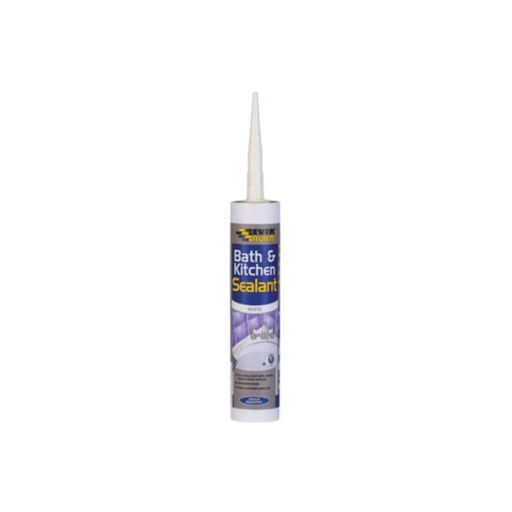
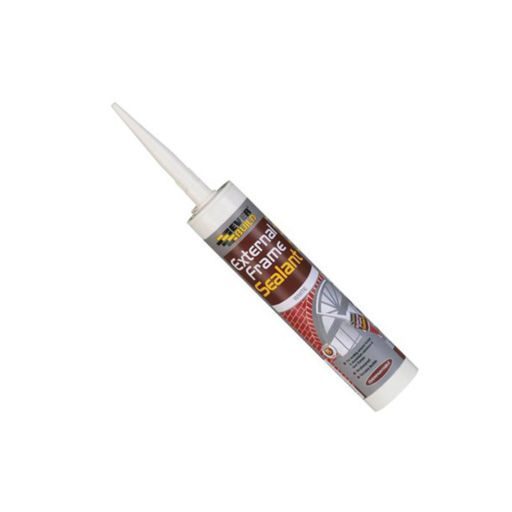
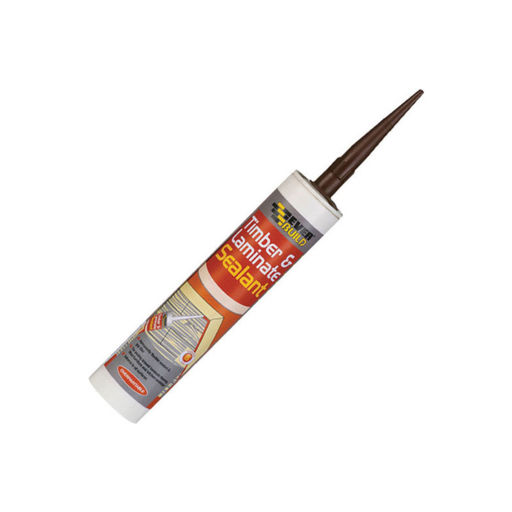
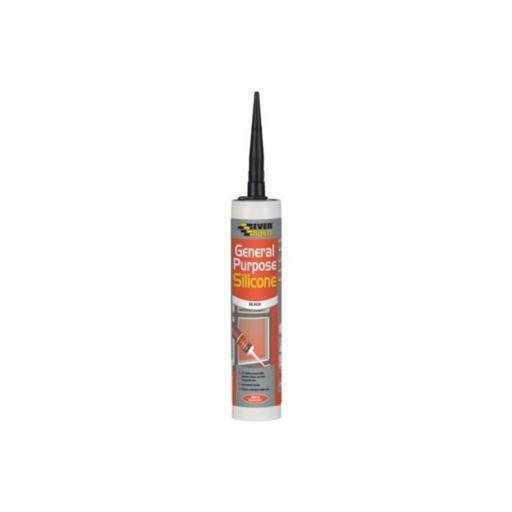
Everbuild's general purpose silicone and bath and kitchen sealant are both flexible sealants, designed to stay slightly elastic after curing so they can accommodate the small amount of ongoing movement around a bath, sink, or window frame without cracking. The timber and laminate sealant is a specific variant tinted to sit closer to a wood tone rather than the stark white of a bathroom sealant, useful where a flooring project meets a fixed surface and a bright white line would look out of place. An external frame sealant is also available for exterior door and window frame work, distinct from the interior-focused sealants in the rest of the range.
EVA foam gap seal
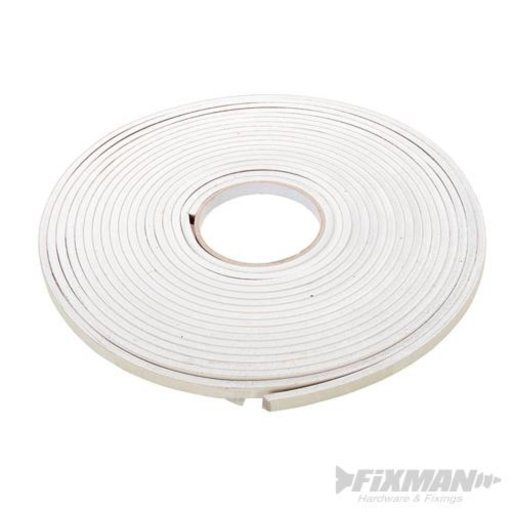
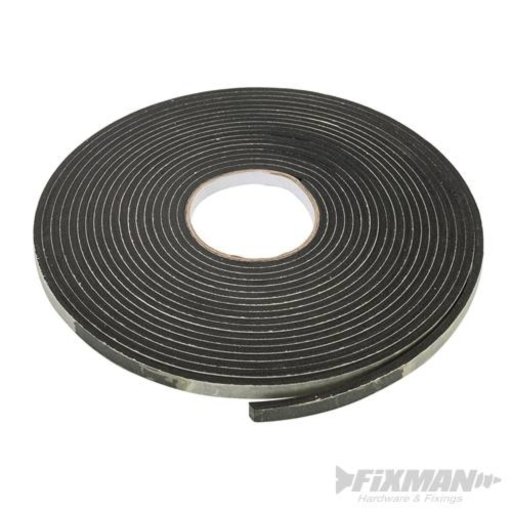
The self-adhesive EVA foam gap seal, available in white and black, is a different product entirely from silicone: a compressible foam strip rather than a wet-applied sealant, designed to sit in a gap and stay flexible without needing to cure or set. This tends to be used for larger, more consistent gaps than silicone is suited to, where a bead of sealant would either look messy or fail to properly fill the space.
Wood floor filler
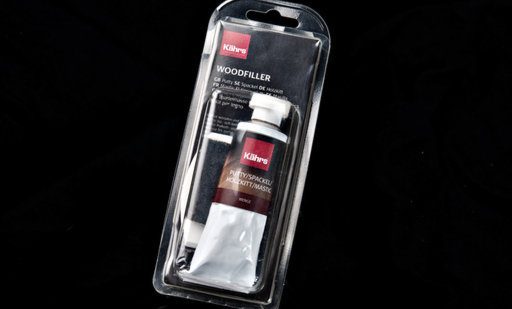
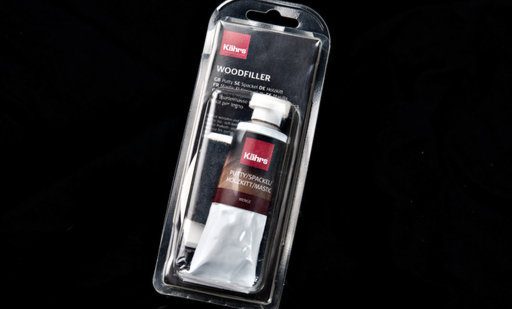
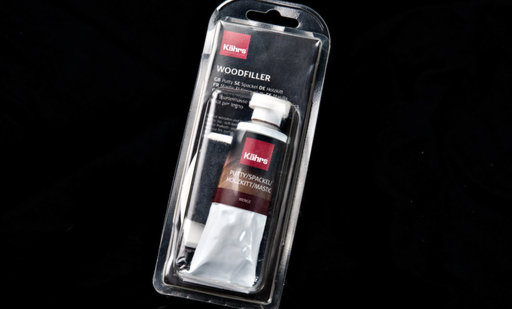
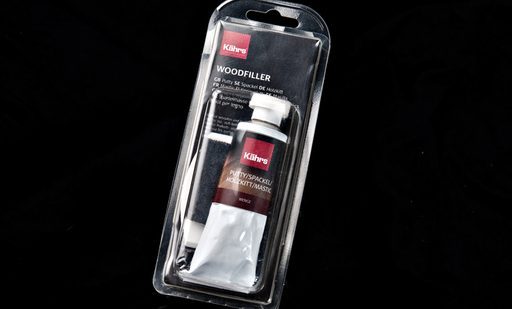
Kahrs wood floor filler is a genuinely different product category from the silicones above: a rigid, sandable filler specifically for wood floors, sold colour-matched to common wood tones, including oak, walnut, cherry, and ash and maple, plus black and white options for darker or painted floors. Because it's designed to be sanded flush and finished over, rather than staying flexible like a silicone sealant, it's the right choice for small gaps, knots, or minor damage within the boards of a solid or engineered wood floor, not for the movement joints around fixtures that silicone is built for.
FAQ
What's the difference between silicone sealant and wood floor filler?
Silicone stays flexible after curing, designed for joints that need to move slightly, like around a bath or window frame. Wood floor filler is rigid and sandable, designed to be finished flush with the surrounding wood, not for movement joints.
When would I use EVA foam gap seal instead of silicone?
EVA foam suits larger, more consistent gaps where a compressible foam strip fills the space more cleanly than a bead of wet-applied silicone would.
Can I use white bathroom sealant on my wood floor?
No, that's a different product for a different job. For gaps or small damage within a wood floor itself, use a wood floor filler colour-matched to your floor rather than a bathroom silicone.