
Rollers & Frames
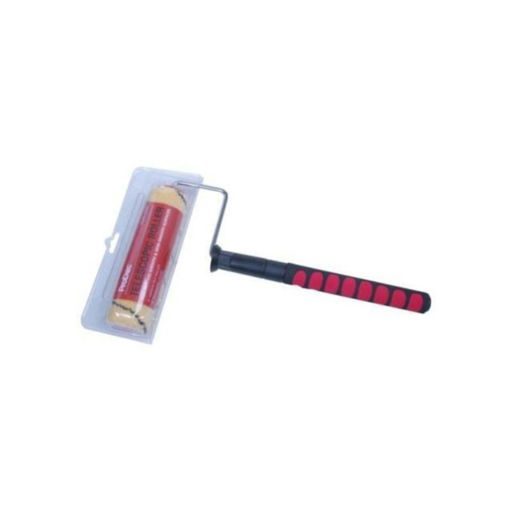
Getting an even coat down matters as much as the product going on, whether that's lacquering a wood floor or painting a wall, and the right roller for each job makes a genuine difference to the finish. Junckers and Osmo rollers here are built specifically for wood floor lacquer and oil, distinct from the general decorating rollers making up most of the rest of the range from ProDec and Silverline.
Floor lacquer and oil rollers
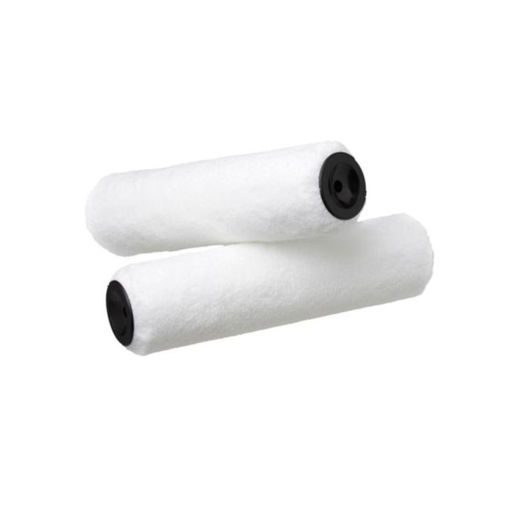
The Junckers Proline microfiber roller and Junckers Multi Roller are designed for applying wood floor lacquer and finish evenly across a large surface without leaving roller marks or an uneven build-up, which matters more on a floor than a wall since the finished surface is viewed at a much shallower, more revealing angle underfoot. Using a roller matched to the finish product, rather than a generic decorating roller, generally gives a smoother, more consistent result and wastes less product in the process.
Microfibre roller sleeves
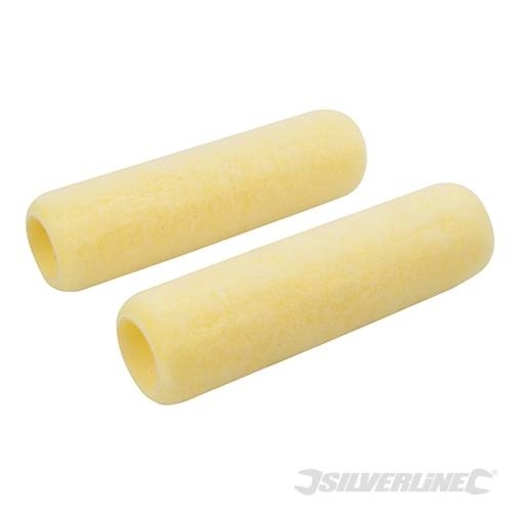
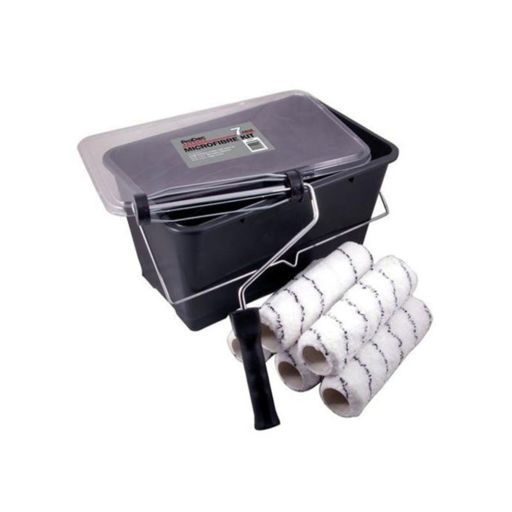
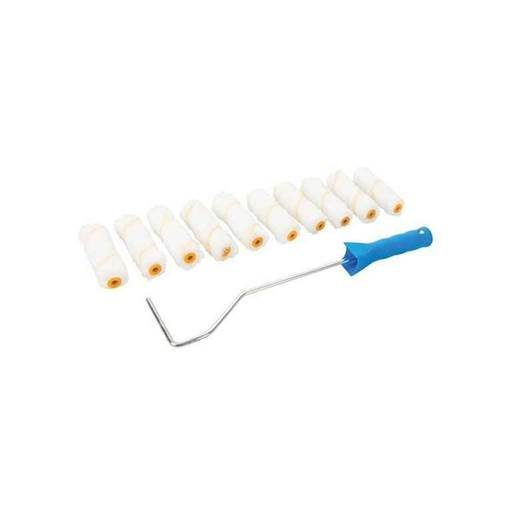
Microfibre roller sleeves come in short, medium, and long pile, and the pile length genuinely changes the result: short pile gives a smoother, thinner coat suited to gloss or fine finishes, while longer pile holds and releases more product, useful for textured surfaces or when covering a large area quickly matters more than an ultra-smooth finish. Getting the pile length wrong for the job is a common cause of an uneven or patchy-looking finish, so it's worth matching the sleeve to the specific product and surface rather than defaulting to whatever's on hand.
Frames, cages, and handles
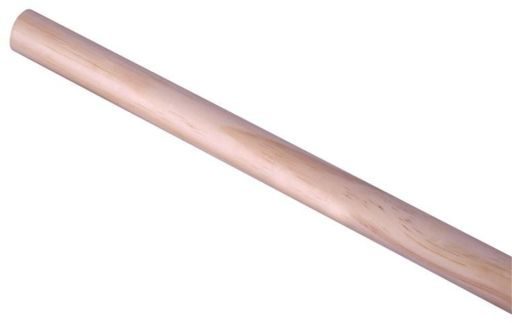
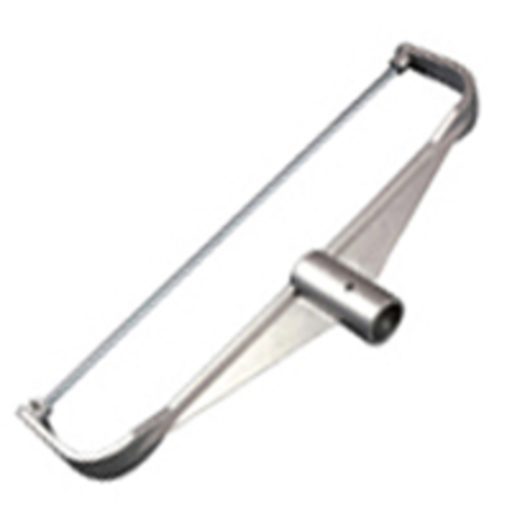
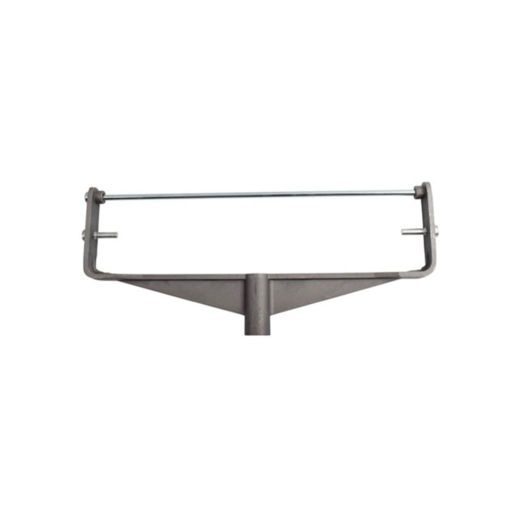
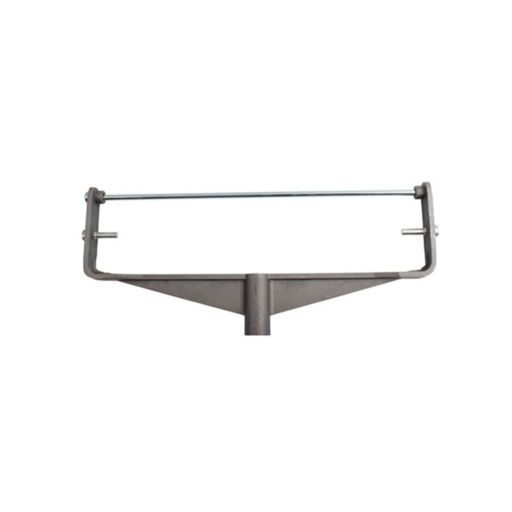
Roller frames and cages are the reusable mechanical part a sleeve fits onto, available as push-fit or screw-fit depending on the sleeve type, and a multi-tool adaptor allows a roller to be extended onto a longer pole for reaching a large floor area or a high wall without repeatedly bending or stretching. Buying a durable frame once and replacing only the sleeves as they wear is generally the more economical approach over a job that involves several coats or a large area.
Trays and general accessories
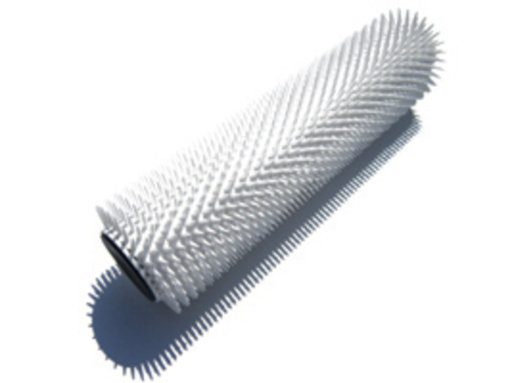
Disposable roller tray liners keep a paint or finish tray clean between uses without needing to wash it out each time, useful when working through several coats in a day. A spiked roller is a specialist tool, not for finishing at all: it's used to release trapped air from a freshly applied self-levelling compound before it cures, which otherwise leaves small bubbles or pinholes in the surface.
FAQ
Why would I use a Junckers or Osmo roller instead of a standard paint roller?
These are built specifically for wood floor lacquer and oil, giving a smoother, more even coat than a general decorating roller, which matters on a floor viewed at a shallow, revealing angle.
What's the difference between short, medium, and long pile roller sleeves?
Short pile gives a smoother, thinner coat suited to fine finishes. Longer pile holds more product and covers a textured or large surface faster, at the cost of a slightly less smooth finish.
What is a spiked roller used for?
It's used on freshly applied self-levelling compound to release trapped air before it cures, preventing small bubbles or pinholes from forming in the surface.