

Expert Care and Maintenance Tips for Long-Lasting Floors
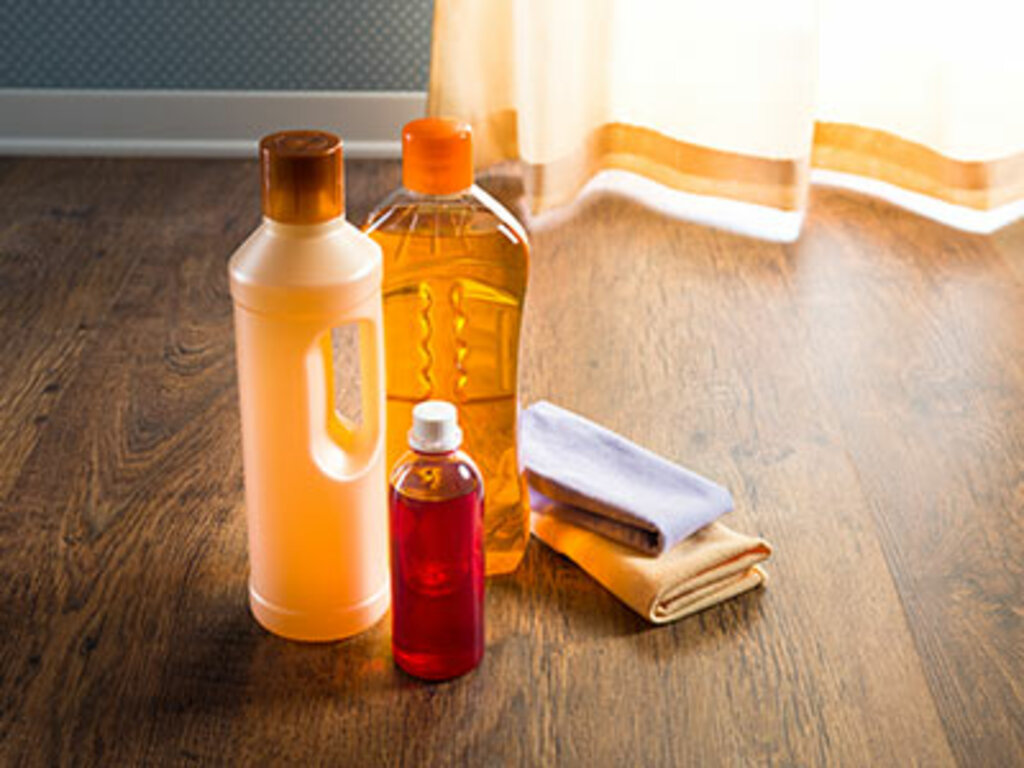 When it comes to home improvement, flooring is one of the most significant investments you can make. Whether you’ve opted for hardwood, laminate, tile, or carpet, the right flooring can enhance the aesthetic appeal of your home while also adding value. However, to ensure that your floors remain in pristine condition for years to come, proper care and maintenance are essential. In this comprehensive guide, we’ll explore expert tips and strategies for protecting your investment and ensuring your floors last a lifetime.
Understanding Your Flooring Type
Before diving into maintenance tips, it’s crucial to understand the specific needs of your flooring type. Each material has its unique characteristics and care requirements.
Hardwood Floors
Hardwood floors are timeless and elegant, but they require special attention. They can be susceptible to scratches, moisture, and fading from sunlight. Regular maintenance is key to preserving their beauty.
Laminate Floors
Laminate flooring is a cost-effective alternative to hardwood, offering durability and a wide range of styles. However, it can be prone to warping if exposed to excessive moisture, so proper cleaning and care are essential.
Tile Floors
Tile floors are known for their durability and resistance to moisture, making them ideal for kitchens and bathrooms. However, grout lines can stain easily, requiring specific cleaning methods to maintain their appearance.
Carpet Floors
Carpet adds warmth and comfort to any space but can trap dirt, allergens, and odors. Regular cleaning and maintenance are vital to prolonging its lifespan and keeping it looking fresh.
General Maintenance Tips
Regardless of your flooring type, there are general maintenance practices that can help protect your investment.
Regular Cleaning
Establish a regular cleaning routine to keep your floors looking their best. Here are some tips:
- Sweep or Vacuum: Remove dirt and debris at least once a week. For hardwood and laminate, use a soft-bristle broom or a vacuum with a hard floor setting.
- Mop: Use a damp mop with a suitable cleaner for your flooring type. Avoid excessive water, especially on hardwood and laminate.
- Spot Clean: Address spills and stains immediately to prevent permanent damage.
Preventative Measures
Taking preventative measures can save you time and money in the long run. Consider the following:
- Use Mats and Rugs: Place mats at entryways to trap dirt and moisture. Area rugs can protect high-traffic areas.
- Furniture Pads: Use felt pads under furniture legs to prevent scratches and dents.
- Avoid High Heels: Encourage guests to remove shoes or avoid wearing high heels on your floors.
Seasonal Maintenance
Seasonal changes can impact your flooring. Here’s how to adapt your maintenance routine:
- Winter: Use a humidifier to combat dry air that can cause hardwood to shrink. Clean up salt and snow residue promptly.
- Summer: Keep blinds or curtains closed during peak sunlight hours to prevent fading.
Specific Care Tips for Each Flooring Type
Now that we’ve covered general maintenance, let’s delve into specific care tips for each flooring type.
Caring for Hardwood Floors
- Cleaning: Use a pH-neutral cleaner specifically designed for hardwood. Avoid vinegar or ammonia-based cleaners, as they can damage the finish.
- Refinishing: Depending on traffic, consider refinishing your hardwood floors every 5-10 years to restore their shine.
- Humidity Control: Maintain indoor humidity levels between 30-50% to prevent warping or cracking.
Caring for Laminate Floors
- Cleaning: Use a laminate floor cleaner or a mixture of vinegar and water. Avoid soaking the floor.
- Avoid Scratches: Be cautious with heavy furniture and use pads to prevent scratches.
- Repairing Damage: If your laminate floor gets scratched, consider using a laminate repair kit to fill in the damage.
Caring for Tile Floors
- Cleaning: Use a mild detergent and warm water for regular cleaning. For grout, consider a specialized grout cleaner.
- Sealing Grout: Seal grout lines every 6-12 months to prevent staining and moisture penetration.
- Preventing Cracks: Avoid dropping heavy objects on tile floors to prevent cracks.
Caring for Carpet Floors
- Vacuuming: Vacuum carpets at least once a week, and more often in high-traffic areas.
- Deep Cleaning: Schedule professional deep cleaning every 12-18 months to remove embedded dirt and allergens.
- Stain Removal: Use a carpet cleaner or a mixture of water and mild detergent for spot cleaning stains.
Dealing with Common Issues
Even with the best care, issues can arise. Here’s how to tackle some common flooring problems.
Scratches and Dents
- Hardwood: Use a wood filler or a crayon that matches the floor color to fill in scratches. For deeper dents, consider sanding and refinishing the area.
- Laminate: Use a laminate repair kit to fill in scratches. For deeper damage, you may need to replace the affected plank.
- Tile: Replace cracked tiles if necessary. For minor scratches, a grout pen can help touch up the grout lines.
- Carpet: For small scratches, use a carpet repair kit. For larger areas, consider patching or replacing the affected section.
Stains and Spills
- Hardwood: Wipe up spills immediately with a soft cloth. For stains, use a specialized hardwood cleaner.
- Laminate: Blot spills with a damp cloth and avoid excessive moisture. For stains, use a laminate cleaner.
- Tile: Clean spills immediately to prevent staining. Use a tile cleaner for tough stains.
- Carpet: Blot stains with a clean cloth and use a carpet cleaner for tough spots.
Fading and Discoloration
- Hardwood: Use area rugs to protect high-traffic areas from fading. Consider UV-filtering window treatments.
- Laminate: Avoid direct sunlight on laminate floors to prevent fading. Use curtains or blinds to protect the surface.
- Tile: Seal tiles and grout to prevent discoloration. Regular cleaning can also help maintain their appearance.
- Carpet: Rotate furniture and area rugs to prevent uneven fading. Use UV-protective window treatments.
Professional Care and Maintenance
While regular maintenance can go a long way, there are times when professional help is necessary.
When to Call in the Experts
- Deep Cleaning: If your floors are heavily soiled or stained, consider hiring a professional cleaning service.
- Refinishing: For hardwood floors that have lost their luster, professional refinishing can restore their beauty.
- Repairs: If you have significant damage, such as large scratches or cracks, a professional can assess and repair the issue.
Choosing the Right Flooring Professional
When selecting a flooring professional, consider the following:
- Experience: Look for professionals with a proven track record in flooring care and maintenance.
- Reviews: Check online reviews and ask for references to gauge their reputation.
- Certifications: Ensure they have the necessary certifications and insurance to perform the work.
Conclusion
Investing in quality flooring is a significant decision that can enhance your home’s beauty and value. By following these expert care and maintenance tips, you can protect your investment and ensure your floors remain in excellent condition for years to come. Remember, regular cleaning, preventative measures, and addressing issues promptly are key to maintaining the longevity of your flooring.
FAQs
Q1: How often should I clean my floors?
A: It depends on the flooring type and foot traffic. Generally, hardwood and laminate should be swept or vacuumed weekly, while carpets may require more frequent vacuuming.
Q2: Can I use vinegar to clean my hardwood floors?
A: No, vinegar can damage the finish of hardwood floors. Use a pH-neutral cleaner specifically designed for hardwood.
Q3: How can I prevent scratches on my laminate floors?
A: Use furniture pads, avoid dragging heavy items, and keep pet nails trimmed to prevent scratches.
Q4: How often should I deep clean my carpets?
A: It’s recommended to deep clean carpets every 12-18 months, or more frequently in high-traffic areas.
Q5: What should I do if my tile grout is stained?
A: Use a specialised grout cleaner or consider resealing the grout to restore its appearance.
By implementing these expert care and maintenance tips, you can ensure that your floors not only look great but also stand the test of time. Protect your investment and enjoy the beauty of your flooring for years to come!