

Flooring for Period Properties: Victorian to Georgian Homes
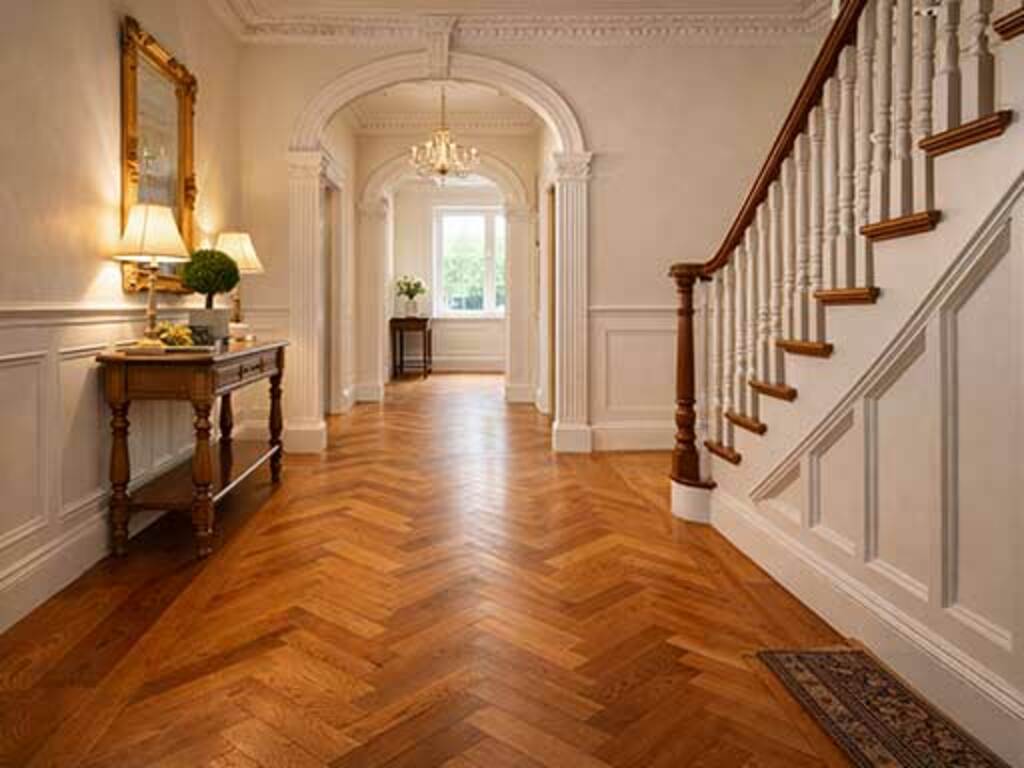 Selecting the right flooring for period properties demands careful consideration of historical authenticity, structural compatibility and modern practicality. Victorian, Edwardian and Georgian homes possess distinct architectural characteristics that influence flooring choices significantly. The wrong material can compromise period integrity, whilst authentic selections enhance both aesthetic appeal and property value.
Period properties often feature original timber joists, uneven subfloors and specific design expectations from their era. Modern flooring must complement these historical elements whilst providing contemporary durability and comfort. Understanding the specific demands of your property's period ensures investment in flooring that genuinely enhances rather than detracts from its character.
Victorian Era Flooring (1837–1901)
Characteristics and Original Materials
Victorian homes typically featured solid hardwood flooring in parlours and reception rooms, with softwood or stone in utility areas. Original floors showcased ornate designs, often incorporating multiple wood species and intricate patterns. Ground floors frequently displayed quarry tiles or encaustic tiles, whilst upper storeys utilised narrow-width timber boards.
Victorian properties often contain buried original floorboards beneath later carpeting. Restoring these authentic surfaces represents an excellent approach to period-appropriate flooring. However, replacement becomes necessary when the original material has deteriorated beyond repair.
Contemporary Solutions for Victorian Properties
Boen offers engineered hardwood collections specifically designed to replicate Victorian-era aesthetics. Their heritage ranges feature authentic narrow widths and warm grain patterns characteristic of nineteenth-century installations. These products provide stability on Victorian subfloors whilst delivering a genuine period appearance.
Kahrs engineered floors present another excellent option, with ranges featuring hand-scraped finishes and traditional wood stain colours. These selections echo authentic Victorian flooring without requiring complete restoration projects. The engineered construction suits Victorian properties where structural movement remains common.
Key Features for Victorian Homes
- Narrow board widths (typically 80–120mm) reflecting original specifications
- Warm wood tones: medium to dark oak, walnut and mahogany shades
- Hand-scraped or distressed finishes suggesting age and character
- Engineered construction for stability on period subfloors
- Compatibility with underfloor heating in some engineered ranges
- Period-appropriate border designs for reception rooms
Edwardian Period Flooring (1901–1910)
Design Characteristics
Edwardian homes represent a transitional aesthetic between Victorian ornamentation and Modernist simplicity. Flooring typically featured slightly wider boards than Victorian properties, with cleaner design lines. Parquet floors appeared increasingly common in higher-status residences, whilst standard timber flooring remained standard throughout middle-class properties.
Edwardian interiors emphasised elegance through simplicity, so flooring reflected this philosophy with lighter wood tones and broader planks. Hallways often featured dado rails with contrasting floor colours, creating visual interest without excessive ornamentation.
Modern Flooring Solutions
Tradition Classics specialises in engineered oak flooring perfectly suited to Edwardian properties. Their collections feature board widths and finishes reflecting authentic Edwardian design principles. Subtle texture variations and natural grain character mirror original installations without compromising contemporary performance standards.
Elka provides engineered hardwood specifically designed for early twentieth-century properties. Their ranges offer the slightly refined aesthetic Edwardian homes demand, with natural finishes and traditional construction methods reflected in contemporary product design.
Flooring Considerations for Edwardian Homes
- Medium board widths (120–180mm) provide visual balance
- Light to medium wood tones: honey oak, natural ash and pale walnut
- Smooth, natural finishes rather than heavily distressed surfaces
- Engineered construction ensuring dimensional stability
- Parquet options for reception areas and principal rooms
- Underfloor heating compatibility for modern comfort
Georgian Period Flooring (1714–1811)
Historical Authenticity
Georgian properties represent the oldest period category addressed here, featuring distinctive architectural proportions and elegant simplicity. Original flooring typically comprised wide floorboards in ground-floor rooms, often featuring beautiful grain and colour variation. Many Georgian homes incorporated stone flags, slate or clay tiles in kitchens and service areas.
Upstairs chambers frequently showcased narrower timber boards, sometimes softwood rather than hardwood. The elegance of Georgian design stems from proportional harmony rather than decorative excess, influencing appropriate flooring selections significantly.
Contemporary Solutions for Georgian Properties
Boen's engineered collections include ranges specifically addressing Georgian aesthetic requirements. Wider plank options and refined finishes suit Georgian proportions, whilst engineered construction provides stability on period joists. Their selections range from pale ash to warm golden tones reflecting historical authenticity.
Kahrs offers engineered hardwood with authentic Georgian character, featuring natural colour variation and grain patterns. Their hand-finished options provide subtle texture, suggesting age whilst maintaining the refined elegance Georgian interiors demand.
Essential Considerations for Period Flooring Installation
Structural Assessment
Before selecting flooring for period properties, commission professional structural surveys. Victorian and Georgian joists differ substantially from modern construction, potentially requiring additional support. Damp assessment proves equally critical; period properties often struggle with moisture issues affecting flooring longevity.
Solid hardwood flooring suits properties with excellent moisture control. Engineered options provide superior stability where environmental variation occurs. Understanding your property's specific structural characteristics informs appropriate material selection, ensuring successful long-term performance.
Aesthetic Authenticity
Authenticity extends beyond wood species selection. Board widths, finish types, joinery methods and colour palettes all contribute to period-appropriate appearance. Overly perfect, ultra-wide planks appear distinctly modern in period contexts. Subtle imperfections, colour variation and natural patina characterise authentic period flooring.
Installation Methods
Traditional installation methods enhance period authenticity. Tongue-and-groove boards nailed to joists represent a historically accurate installation, preferred over glue-down methods. Period properties often feature visible flooring in principal rooms, making installation quality visible and requiring craftsmanship matching original standards.
Recommended Flooring Selection Guide
Victorian Properties
Choose Boen or Kahrs engineered hardwood featuring narrow planks (80–120mm), warm medium to dark tones, and hand-scraped finishes. These selections authentically represent Victorian aesthetic whilst providing practical performance benefits. Consider parquet options for reception rooms where original examples existed.
Edwardian Properties
Select Tradition Classics or Elka engineered collections with medium widths (120–180mm), light to medium tones, and natural finishes. These ranges reflect Edwardian refinement without excessive ornamentation, maintaining period character whilst offering modern reliability.
Georgian Properties
Opt for Boen or Kahrs engineered hardwood featuring wide planks (150–200mm), pale to warm golden tones, and subtle texturing. Georgian proportions favour generous board sizes and refined aesthetics; selected flooring should emphasise elegance through simplicity rather than decorative elaboration.
Maintenance and Long-Term Care
Period flooring requires consistent maintenance, protecting investment and preserving authenticity. Regular vacuuming prevents grit accumulation, damaging surfaces. Engineered hardwood tolerates slightly higher humidity variation than solid timber, though stability remains superior with appropriate environmental control.
Avoid excessive moisture and maintain relative humidity between 45–55% for optimal performance. Period properties may require dehumidification systems to ensure flooring longevity. Annual professional cleaning maintains appearance whilst protective finishes remain intact, preserving beauty across decades.
Conclusion
Flooring for period properties requires balancing historical authenticity with contemporary performance requirements. Victorian, Edwardian and Georgian homes each demand specific aesthetic approaches reflecting their distinctive characteristics. Selecting appropriate materials from established manufacturers like Boen, Elka, Kahrs and Tradition Classics ensures investment in flooring that genuinely enhances period properties.
Successful period flooring combines careful product selection, professional installation and appropriate maintenance. Whether restoring original boards or installing new flooring, prioritising period authenticity ensures your selection respects architectural heritage whilst providing reliable, attractive performance supporting property value and enjoyment for decades ahead.