

Questions to Ask Before Buying Flooring
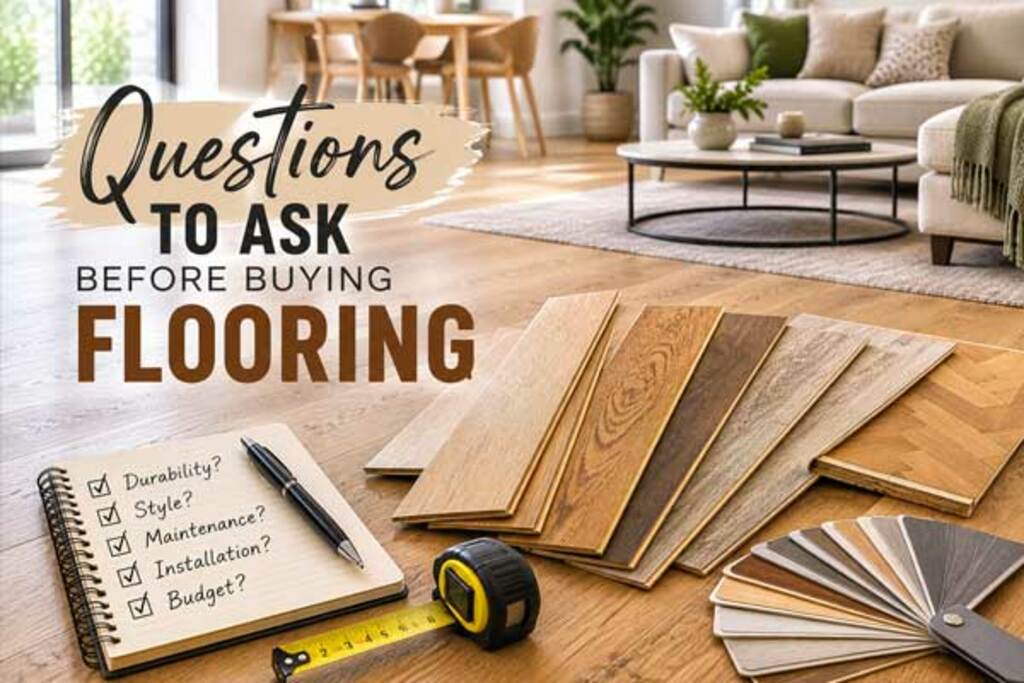 When you're considering a flooring purchase, asking the right questions upfront makes all the difference to how happy you are with the result. Choosing flooring involves weighing aesthetics, durability and maintenance against each other, and it's easy to get swept up in colour and pattern before you've thought through how the floor will actually perform in your home.
Before you start looking at samples, think about your lifestyle, the specific room, and how the flooring fits the rest of your home's design. The answers to a few key questions will narrow your options considerably.
Key Questions to Consider
- What type of flooring suits this space? Different rooms have different needs. Kitchens and bathrooms call for waterproof or water-resistant flooring, such as LVT flooring, while living rooms and bedrooms suit engineered or solid wood well.
- What's my budget? Flooring prices vary enormously, so knowing what you're willing to spend early narrows the field fast.
- How much foot traffic will the area get? A hallway or busy living room needs a genuinely durable material that can handle daily wear.
- What's the maintenance like for each option? Hardwood floors benefit from occasional refinishing and the right cleaning products, while laminate flooring and vinyl generally just need regular mopping.
- How long do I want the floor to last? Are you after a long-term investment, or something more easily replaced down the line? A well-maintained engineered wood floor can last decades; budget laminate has a shorter practical lifespan.
- What does installation involve? Some products are far easier to fit than others — worth knowing whether you're hiring a professional or doing it yourself.
- Are there sustainability considerations that matter to me? If so, ask about FSC certification and sourcing when you're comparing products.
- Will it work with my existing decor? Take a physical sample home and look at it in the room before deciding — it's the only reliable way to judge how a floor will actually read once it's down.
Evaluating Your Options
Once you've worked through these questions, it's easier to weigh up what fits. If you need something durable for a high-traffic area on a tighter budget, laminate or LVT are both strong, cost-effective choices. If your priority is aesthetics and longevity, engineered wood is worth the higher upfront cost — it adds real value to a home and, properly cared for, lasts for decades.
Comparing the Main Options
- Engineered wood — a classic look with durability, and it can be sanded and refinished over its life. Costs more upfront than laminate or vinyl.
- Laminate — a cost-effective way to get a wood-look floor. Easy to install and maintain, though it can't be refinished once worn.
- LVT (luxury vinyl tile) — fully waterproof and easy to clean, in a wide range of wood and stone-effect styles, generally more affordable than real wood.
Final Considerations
Once you've narrowed things down, visiting a showroom and taking samples home is genuinely the best way to judge colour, texture and how a floor feels underfoot in your own space. It's also worth asking about warranties for whatever you're considering — that gives you real peace of mind about the investment.
The questions worth asking before buying flooring aren't just about the product itself — they're about how it fits your lifestyle and your home. Taking the time to think them through leads to a decision you'll actually be happy with years down the line.